Fasting is more than just skipping meals; it’s a practice people have used for centuries for reasons ranging from religious and cultural traditions to health goals. I’ve noticed that interest in fasting has grown a lot recently, especially as research continues to highlight its benefits. When done correctly and with medical supervision, fasting isn’t about deprivation—instead, it can give a real boost to your body and overall well-being. Here, I’m sharing five science-backed health benefits of fasting, along with useful facts and practical tips to help you check out this age-old habit with confidence and clarity.
What Is Fasting and Why Do People Try It?
Fasting means going for set periods without eating or really cutting back calorie intake, followed by regular eating windows. People use different methods, such as intermittent fasting (where you eat during certain hours and fast during others) and longer fasts. Personally, I find intermittent fasting easier to manage. Many people, myself included, find that persistent hunger isn’t as much of a problem after the first few days. Research supports that hunger pangs become less intense over time as the body adapts. This makes the process more manageable than many expect, and with consistency, fasting becomes just another part of the day.
Health Benefit 1: Fasting Can Reduce Insulin Resistance
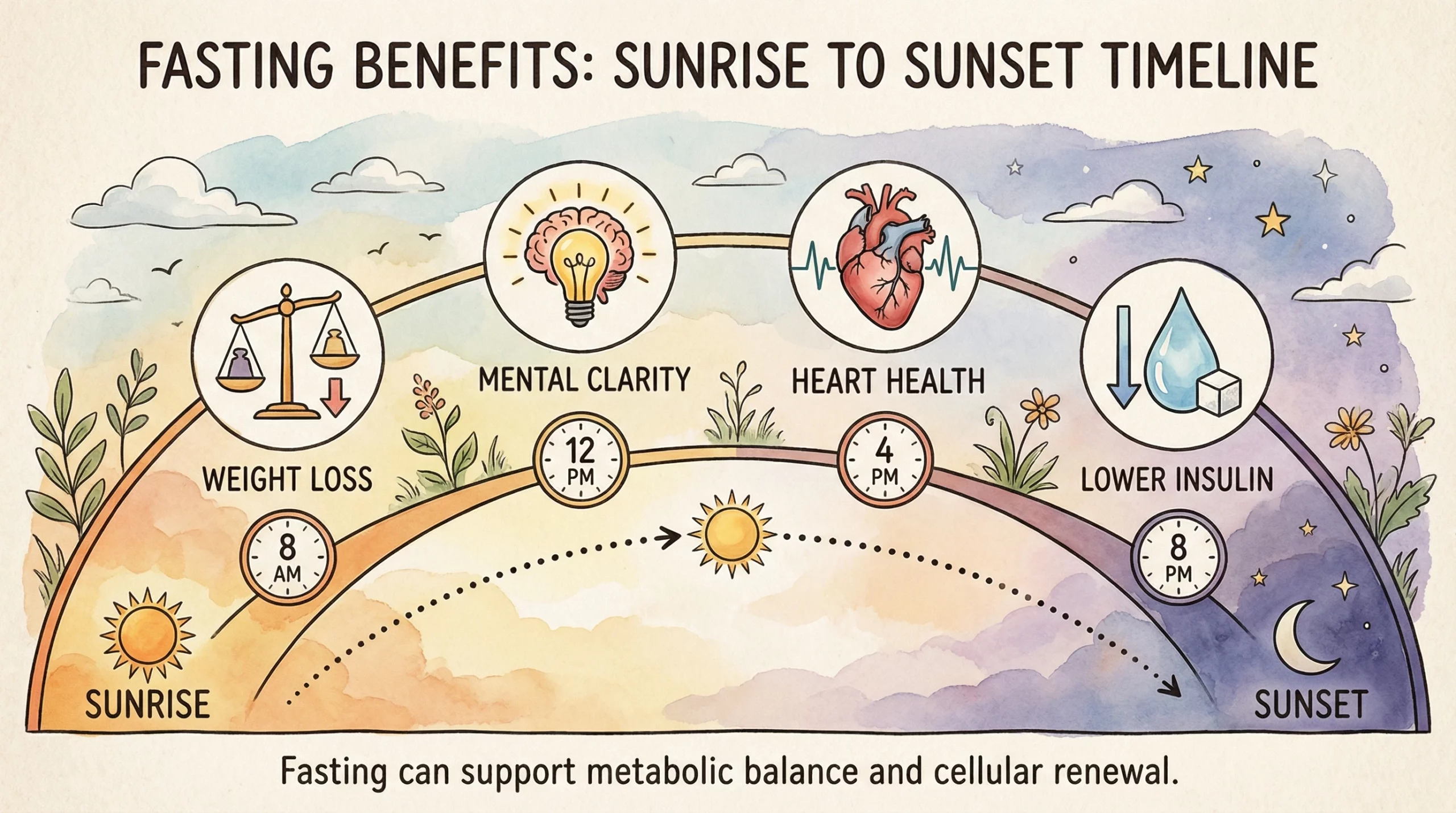
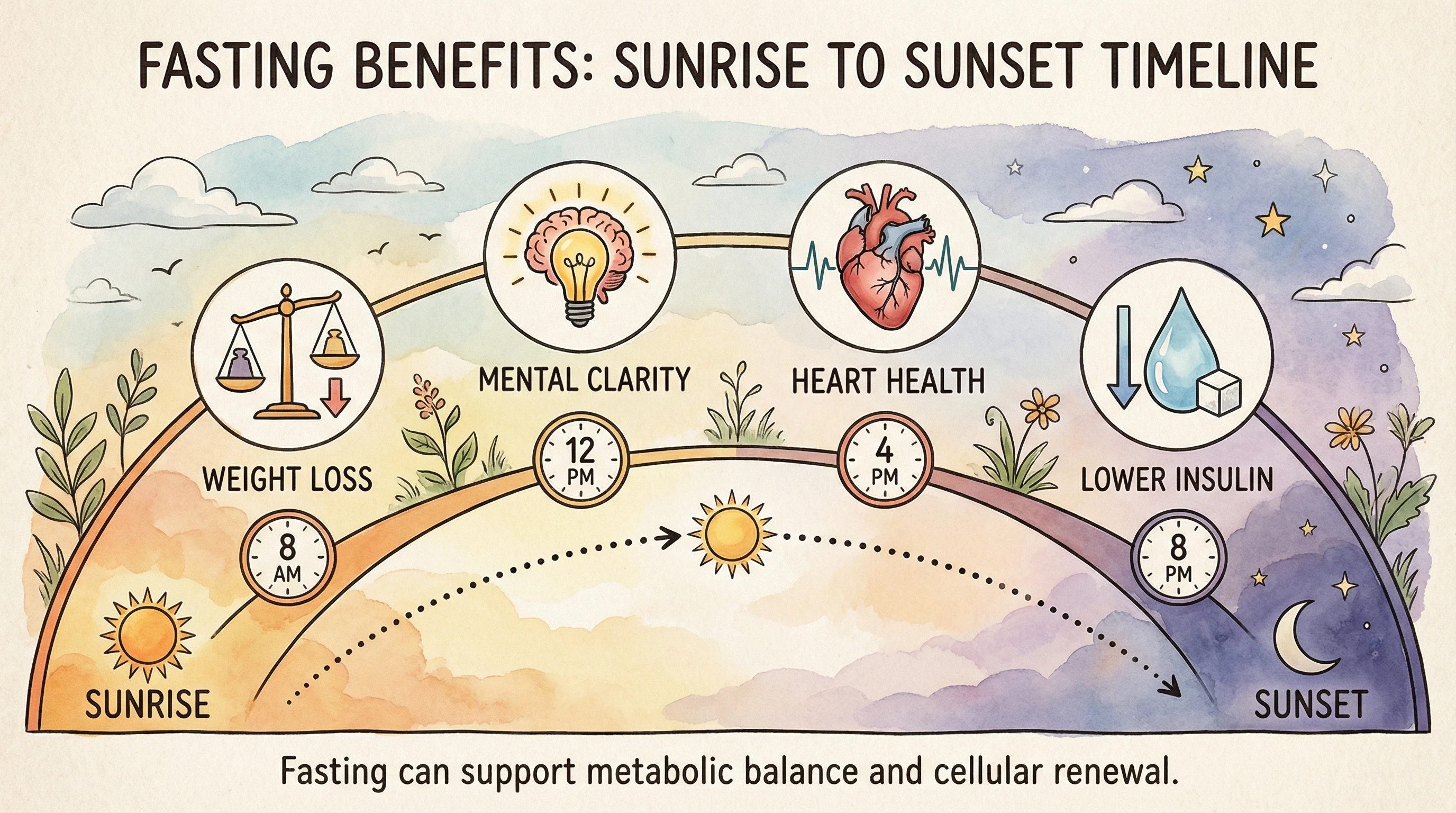
Many chronic diseases, such as type 2 diabetes, are linked to insulin resistance, where cells stop responding well to insulin and blood sugar goes up. When I fast, research from respected medical journals like this review by the National Institutes of Health shows that insulin levels in my blood drop a lot. Lower insulin can help fight insulin resistance and make it easier for the body to tap into stored fat for energy.
Insulin sensitivity gets a boost when I use spaced out eating windows, making my cells respond better to insulin and keeping my blood sugar stable. This is a big deal for both preventing and possibly reversing type 2 diabetes. If you’re struggling with blood sugar management, ask your doctor if fasting might be a good fit.
Health Benefit 2: Fasting Supports Weight Loss
One of the top reasons people try fasting is for weight loss. From my experience, fasting naturally reduces calorie intake, making it much easier to hit a calorie deficit without feeling like I’m counting every single bite. Studies show that fasting helps the body break down fat for energy, especially when insulin levels are low, letting the body use up fat stores more efficiently.
Additionally, fasting increases norepinephrine production, a hormone that burns fat. I and many others see success with fasting in areas where other diets struggle, like stubborn belly fat. Reviews and studies back this up; intermittent fasting especially has matched or even outperformed regular diets for weight loss in some research. Harvard Health has summed it up nicely in this helpful overview on intermittent fasting and weight. Fasting can be a way to reset eating patterns and put you back in control of your food choices.
Health Benefit 3: Fasting Can Lower Inflammation
Inflammation plays a role in healing injuries and fighting off infection; however, ongoing inflammation can damage tissues and lead to conditions like heart disease or arthritis. There’s more and more evidence that fasting cuts back on inflammation. Several studies show reduced levels of inflammatory markers during or after fasting.
When I take planned breaks from eating, my body gets a chance to “reset” and repair. This process, called autophagy, features cells clearing out damaged components, lowering cellular waste, and cutting back oxidative stress, which can fuel chronic inflammation. A 2019 study in Cell Metabolism found that intermittent fasting switches on autophagy and related pathways, supporting the idea that fasting benefits cell health and inflammation control.
Health Benefit 4: Fasting May Boost Heart Health
Heart disease is still a top cause of early death, so it’s logical to look for ways to step up heart health. Fasting improves several markers of cardiovascular well-being, such as cholesterol, blood pressure, and blood sugar. Lower insulin, weight loss, and reduced inflammation all work together for better heart health.
Across several clinical trials, people have had lower LDL (bad) cholesterol and triglycerides after beginning a fasting program. Evidence also suggests that blood pressure can drop and arteries stay healthier. If you build fasting into a daily routine, alongside lots of veggies and regular exercise, you’ll likely set yourself up for a stronger heart. The American Heart Association recognizes these kinds of changes as positive for your long-term heart health.
Health Benefit 5: Fasting Might Support Brain Function
Fasting doesn’t just affect my body—it can sharpen my mind as well. Intermittent fasting increases the development of new nerve cells and may protect existing cells, influencing memory and learning. Some studies even suggest fasting can help protect against brain diseases like Alzheimer’s or Parkinson’s, probably due to less inflammation and oxidative stress.
When fasting, the body creates more of a protein called BDNF (Brain-Derived Neurotrophic Factor). BDNF supports the growth and survival of brain cells, which keeps the mind agile. This increase may be the reason many, myself included, feel more focused and alert during fasting windows.
Things to Consider Before Starting Fasting
Fasting might sound simple, but I always consider a few things before making it a regular habit. Fasting is safe for most healthy adults, and people from many backgrounds have fasted for generations without issues. But fasting isn’t for everyone. If you’re pregnant, take medication, have diabetes, or a history of disordered eating, ask your doctor before you get into fasting. This keeps things safe and helps prevent problems like low blood sugar or dehydration.
Worries about constant hunger are normal, but in my experience, those feelings fade after about a week. Hydration and proper electrolytes help a lot. When breaking a fast, having healthy, balanced foods instead of heavy meals avoids stomach discomfort and supports your energy levels.
Here are some common issues and tips that have worked for me:
- Hydration: Keep water intake up throughout fasting hours to avoid headaches and fake hunger.
- Electrolytes: Sodium, potassium, and magnesium drops can cause headaches or cramps. Ask your doctor if supplements might help in your case.
- Social Eating: Line up your fasting windows with social events so you don’t miss out on meals with friends and family.
Advanced Tips for Those Who Already Fast
If you’ve been fasting for a while and want to mix things up, consider adjusting your eating and fasting times to better fit your life. I’ve tried approaches like alternate day fasting, 16/8 (16 hours fasting, 8 eating), and the occasional 24-hour fast. Watching for mood and performance changes helps me tweak my fasting schedule for better results.
A few pointers from my own routine:
- Start Slow: Begin with shorter fasts, then stretch them out as you get used to it.
- Listen to Your Body: Feeling lightheaded, very weak, or ill is a clear sign to end the fast without guilt.
- Stay Busy: Busy days fly by faster, and distractions make fasting hours easier.
Real-World Fasting Scenarios
Fasting doesn’t have to mean days without food to see benefits. Some people skip breakfast and eat between noon and 8 pm. Others do a 24-hour fast now and then to reset eating habits and focus more on food quality than quantity. Real fasting routines look different for everyone, and success comes from finding what feels right for your needs, always based on your health and your doctor’s advice.
- Time Restricted Eating: Keeping meals within an 8-hour period often works well with regular work or family schedules.
- Occasional Longer Fasts: For those seeking bigger changes, trying longer fasts under supervision might bring more dramatic outcomes.
Frequently Asked Questions About Fasting
Question: Is fasting safe?
Answer: For most healthy adults, fasting is safe and has a long tradition across many cultures. Check in with your doctor before getting started, especially if you have health issues.
Question: Won’t I feel hungry all the time?
Answer: The first days are toughest, but most people notice hunger subsides as the body gets used to fasting. Water, tea, and staying active really help.
Question: Can fasting help reverse diabetes?
Answer: There’s evidence that fasting tones down insulin resistance, which can help with type 2 diabetes. You should only try this under a healthcare provider’s supervision, though.
Fasting is a time-tested tradition with the potential to give your health a boost, supported by a growing stack of studies. If you’re curious, thoughtful planning and medical support will smooth the way to making fasting a safe, useful part of your lifestyle.
This is a well written article with helpful information – even to someone who thinks – I already do fasting! The scientific citations support the ‘backed by science” claim in the title.
I especially liked this question and its answer….
Question: Won’t I feel hungry all the time?
Answer: The first days are toughest, but most people notice hunger subsides as the body gets used to fasting. Water, tea, and staying active really help.
Perhaps it would be even greater if the article showed the name of the author in place of “Admin”.
Thanks for the comment Coach Maxx once you are not addicted to carbs it becomes much easier to fast. My name is John.
I have to admit, while our church’s prayer ministry participates in fasts from time to time, we’ve always approached it strictly as a spiritual discipline. We honestly hadn’t considered the incredible scientific “mechanisms” you mentioned, like autophagy or the metabolic switch ($G\text{-to-}K$) that happens after about 12 hours.
It’s such a blessing to realize that while we are seeking spiritual renewal, our bodies are actually undergoing a biological “deep clean” at the same time!
Yes it’s amazing how it can reset our metabolism and bring us back to being healthy. Thanks for your comment Leah.