
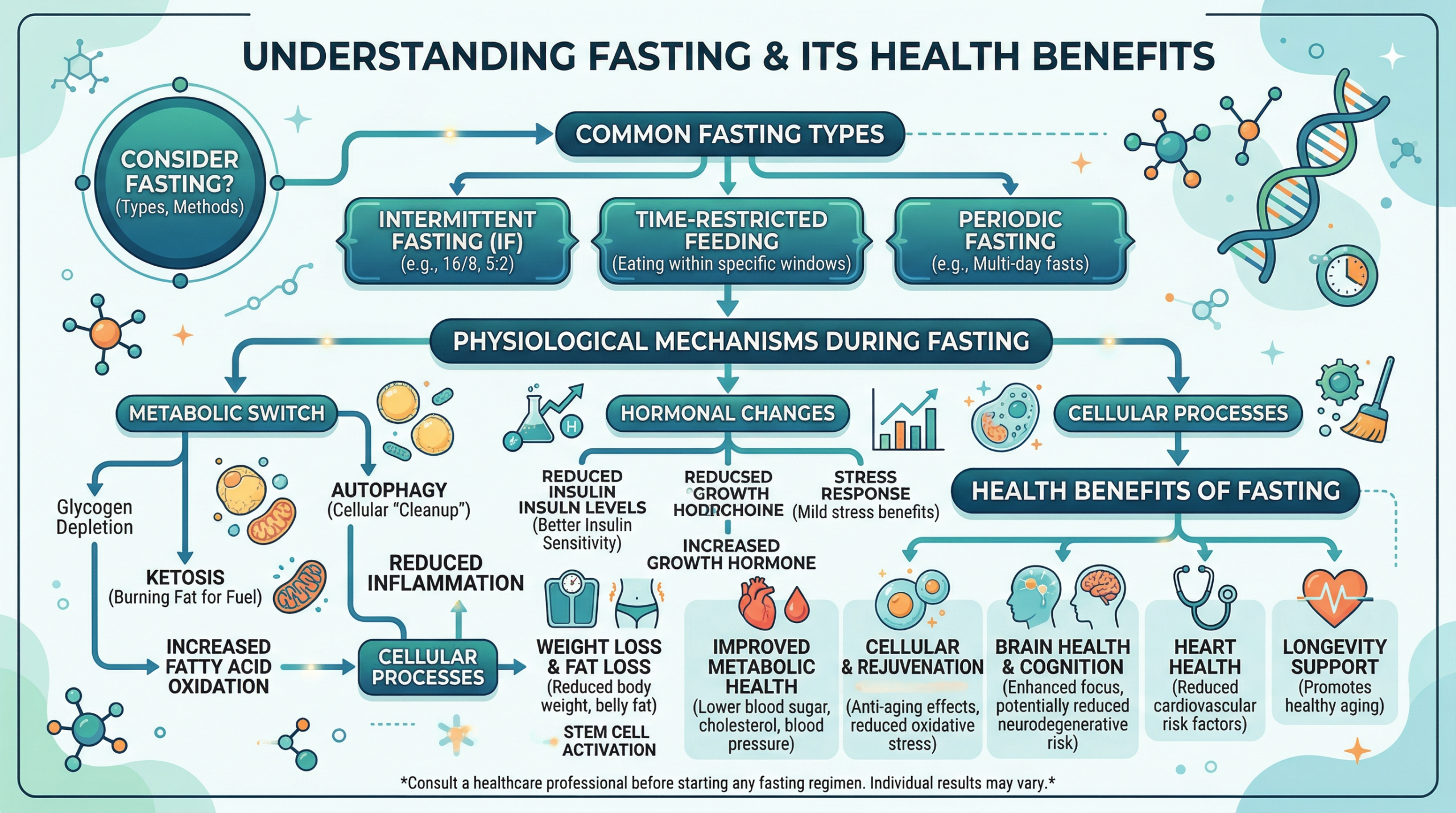
A Practical Guide to Fasting (How to Start and Make It Work After 50)
Fasting is one of those topics that can sound complicated—but it really isn’t.
In fact, once you understand it properly, it’s actually one of the simplest tools you can use for weight loss and overall health.
The problem is, most people either overcomplicate it or misunderstand it completely.
So let’s strip it right back and go through it in a practical way.
Watch this video from Dr Jason Fung who wrote The Obesity Code
What Fasting Actually Is
At its core, fasting is very simple.
It’s just a period of time where you’re not eating.
That’s it.
You already do it every single day.
When you sleep, you’re fasting. That’s where the word breakfast comes from—you’re breaking the fast from overnight .
Your body is designed to handle this.
When you eat, your body stores energy.
When you don’t eat, your body uses that stored energy.
That’s a normal process.
And it’s an important one.
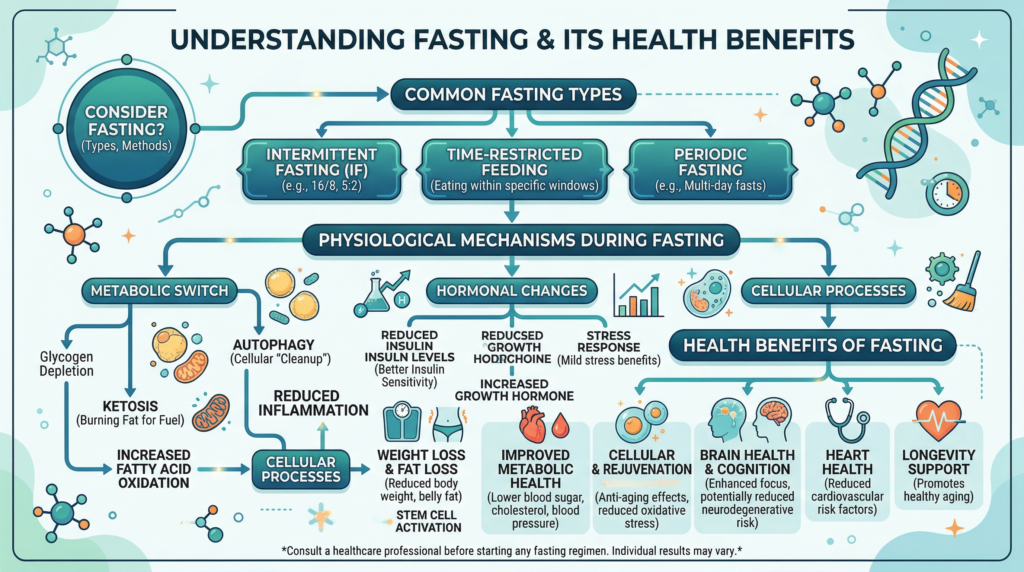
Why Fasting Works
A lot of people focus only on what they eat.
But there’s another important question:
When are you eating?
If you’re eating all day—snacking, grazing, always having something—your body is constantly in “storage mode.”
It never really gets a chance to use the energy you’ve already stored. when you’re eating, your body stores calories.
When you’re not eating, it uses those stored calories for energy .
If you never give your body that gap, it never really taps into those stores.
That’s where fasting comes in.
Fasting Is Normal (And It’s Always Your Choice)
This is an important point.
Fasting isn’t starvation.
It’s voluntary.
You’re choosing when to eat and when not to eat.
If you don’t like it, you can stop.
That’s it.
People have been fasting for thousands of years—for health, cultural, and religious reasons .
This isn’t something new or extreme.
It’s actually going back to a more natural way of eating.
How to Start Fasting (Keep It Simple)
You don’t need to jump into anything extreme.
The simplest place to start is:
12–14 hours overnight
For example:
- Finish dinner at 6:00pm
- Eat breakfast at 8:00am
That’s a 14-hour fast.
That alone can make a difference.
It also lines up with how people used to eat.
Back in the 60s and 70s, people ate:
- Breakfast
- Lunch
- Dinner
And that was it.
No constant snacking.
No eating all day.
What You Can Have While Fasting
Another thing people get confused about is what “breaks” a fast.
In practical terms, keep it simple.
You can have:
- Water
- Tea
- Coffee (without sugar)
These don’t contain calories, so your body stays in that fasted state .
Even small things like a splash of milk or bone broth aren’t a big deal.
The goal isn’t perfection—it’s consistency.
Why Fasting Makes Things Easier
One of the biggest benefits of fasting is that it simplifies everything.
Instead of:
- Counting calories
- Tracking everything you eat
You’re simply controlling when you eat.
As mentioned in the transcript, calorie counting is often inaccurate anyway .
Most people don’t really know how many calories they’re eating.
Fasting gives you structure.
And structure leads to consistency.
Building Habits (This Is the Key)
This is where fasting really becomes powerful.
It helps you build habits.
Instead of constantly deciding:
“Should I eat now?”
You already know:
“No, I eat at these times.”
That removes a lot of decision-making.
And once something becomes a habit, you don’t need willpower anymore.
It just becomes part of your routine.
What to Expect When You Start
This is important so you don’t give up too early.
When you first start fasting, you will feel hungry.
That’s normal.
Your body is used to eating at certain times.
But here’s the key:
Hunger comes in waves
It doesn’t just keep getting worse.
If you ride it out, it usually passes.
We’ve all experienced this.
Skip breakfast once, and you’re hungry at first—but then it settles down.
That’s your body adjusting.
Tips to Make It Easier
A few simple things make a big difference.
Stay busy
This is one of the easiest ways to get through it.
If you’re:
- Working
- Exercising
- Doing something active
You won’t be thinking about food.
Avoid triggers
Things like:
- Watching food content
- Walking through food courts
- Grocery shopping
These can make fasting harder.
It’s not hunger—it’s just being reminded of food.
Don’t do it alone
If possible, do it with someone else.
It’s always easier when you have support.
Common Mistakes to Avoid
This is where people trip up.
1. Overeating after the fast
This is a big one.
You fast… then eat everything in sight.
That cancels out a lot of the benefit.
A better approach is simple:
Eat normally
Don’t try to “make up” for the fast.
2. Making it too complicated
You don’t need:
- Complex schedules
- Perfect timing
- Strict rules
Start simple.
3. Doing too much too soon
You don’t need to jump into long fasts.
Start with 12–14 hours.
Then build from there if needed.
How This Fits With Your Overall Plan
Fasting isn’t a magic solution on its own.
It works best when combined with:
- Good nutrition
- Enough protein
- Strength training
That’s where your approach comes in.
The JR 3-Day, 30-Minute Method
Three short workouts per week.
- Day 1: Legs
- Day 2: Shoulders and Back
- Day 3: Chest and Arms
Short, focused, and effective.
When you combine that with simple nutrition and some structure around eating, everything starts to work together.
Final Thoughts
Fasting doesn’t need to be complicated.
It’s not extreme.
It’s not something new.
It’s simply giving your body time to use the energy you’ve already stored.
Start simple.
- Cut out snacking
- Add a small fasting window
- Stay consistent
That’s enough to get results.
And like everything else, the key isn’t perfection.
It’s consistency.