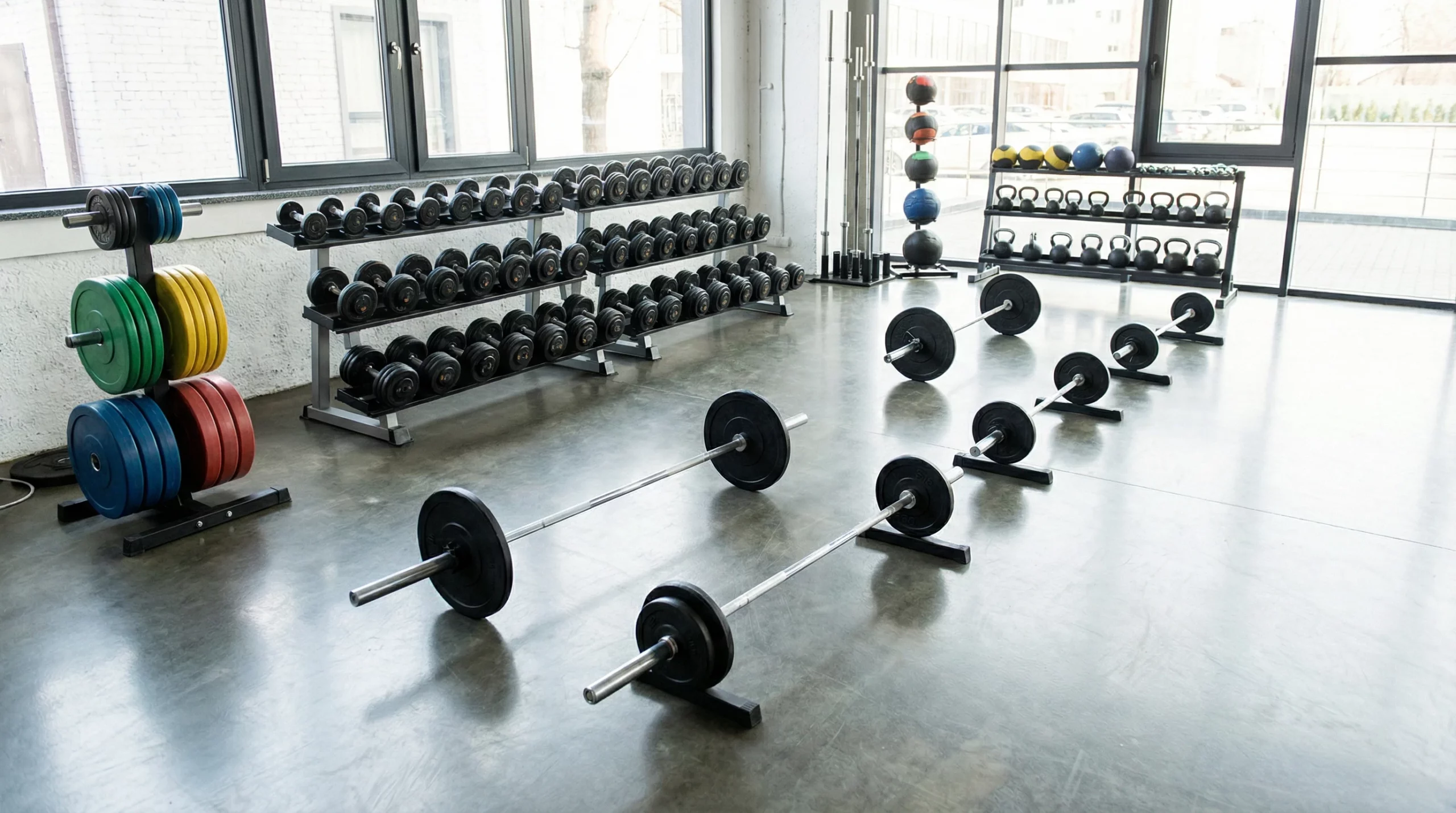
Weightlifting affects the body by increasing muscle strength, boosting metabolism, improving bone density, and supporting overall physical and mental health. Regular strength training helps your body become more efficient, resilient, and better able to handle everyday activities.
From my own experience, weightlifting doesn’t just change how you look — it changes how you feel and function day to day. Simple things like carrying groceries, maintaining balance, and staying active become easier as your strength improves.
Key Effects of Weightlifting on the Body
- Increases muscle strength and endurance
- Boosts metabolism and fat burning
- Improves bone density
- Enhances joint stability
- Supports mental health and mood
- Improves balance and coordination
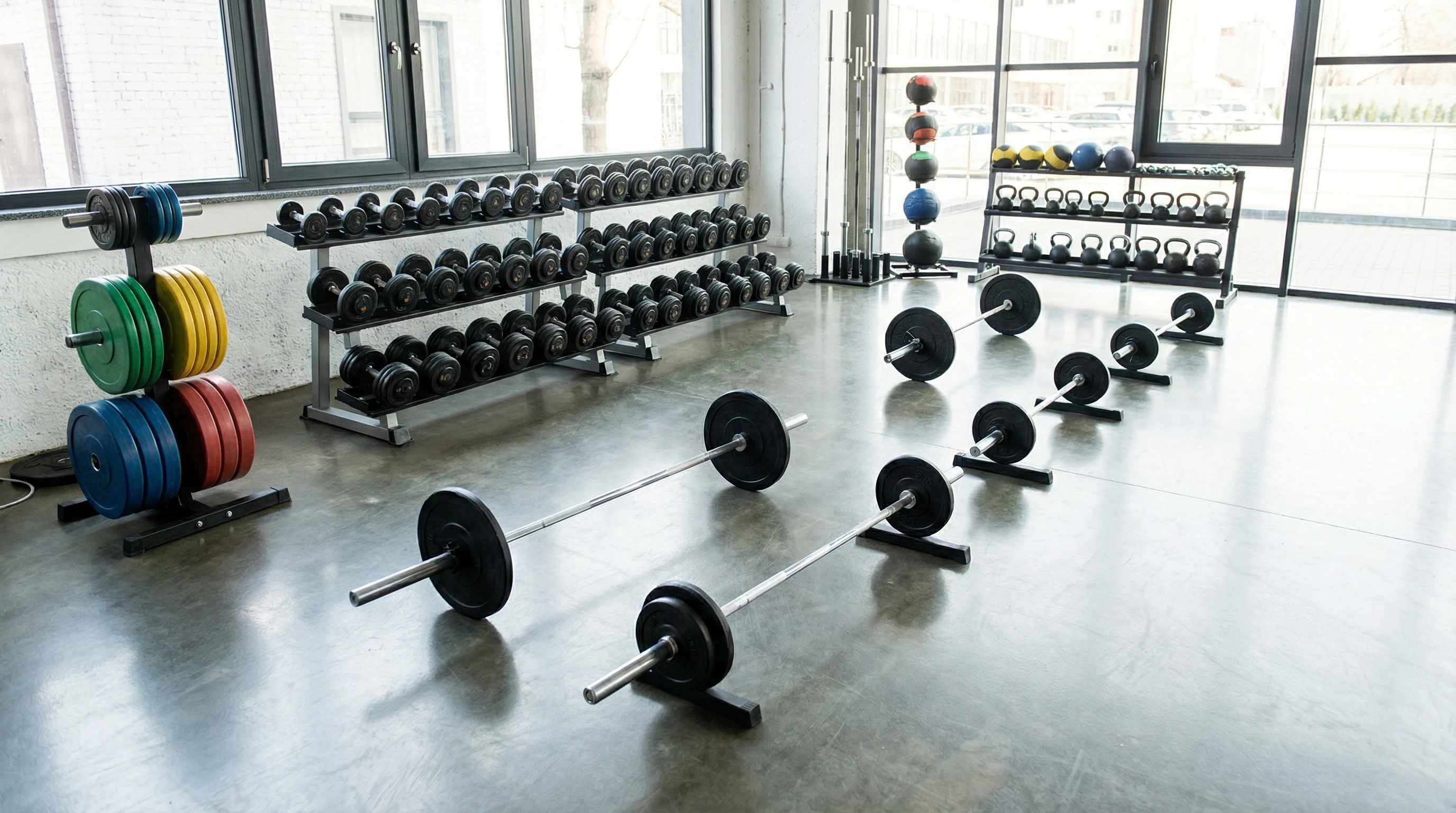
How Weightlifting Affects the Body Physically
Strength training isn’t just for athletes or fitness buffs. Regular weightlifting gives almost everyone tangible physical improvements. Here are some direct and sometimes immediate effects you might spot within just a few weeks of training:
Building muscle mass isn’t only about looking better. More muscle means more strength, serious stability around your joints, and real support with daily moves—think carrying heavy bags, hauling a suitcase, or picking up your kids without a second thought.
- Muscle Tone and Strength: Lifting weights leads to eye-catching gains in muscle shape and everyday strength. From my own experience, daily actions feel less effortful, and confidence goes up right alongside physical changes.
- Firing Up Your Metabolism: Muscle at rest burns more calories than fat. By keeping up a consistent lifting habit, your metabolism gets a healthy boost, helping you feel more energetic and manage your weight more effortlessly.
- Bone Health Support: Weightlifting challenges your bones, encouraging them to bulk up and stay strong. This is key for avoiding osteoporosis and keeping bones robust as you age.
- Support for Joints and Mobility: Strong muscles help keep your joints steady. That means less pain and smoother moves in everything from walking up stairs to stretching out after sitting. Good form is critical, but the payoff for your joints is huge.
Besides these perks, weightlifting contributes to better posture and can help you stay active throughout your life. The combination of strong muscle, solid bones, and happy joints adds up to a body that works better at any age.
Getting Started with Weightlifting Safely
Jumping into weightlifting doesn’t have to be intimidating or risky. Beginners should prioritize learning good habits and picking manageable routines that feel sustainable.
There are a few core terms every new lifter might bump into. Here’s what you should know right away:
- Reps: Short for “repetitions”—the number of times you do a movement in a single go.
- Sets: Groups of reps. So, “3 sets of 10 reps” means you do the move ten times, pause to rest, repeat two more rounds.
- Compound movements: Exercises like squats or deadlifts. They hit multiple muscle groups at once and are fundamental for building real-world strength.
For newbies, a solid program usually works all major muscle groups twice a week, sticks to lighter weights, and emphasizes movements that are simple to learn. And don’t skimp on rest days; muscles rebuild and get stronger while you chill out, not just during work at the gym.
Warming up is another must. Even a ten-minute walk and some dynamic stretches can prep your body and prevent injury before you start any new moves.
Quick Guide for Beginners Trying Weightlifting
While weightlifting looks simple, paying attention to the basics helps you progress quickly and safely. Here are a few golden rules I share with anyone new:
- Master Your Form: Forget about heavy lifting for now; your focus should be on safe posture and proper movement. Consider working with a trainer or watching trusted video tutorials to nail your form from the start.
- Light Weights Win Early On: It’s much safer—and smarter—to start with less weight than you think you can handle. Let your muscles learn the move, not just how to move a heavy object.
- Stick With It: You’ll get stronger much faster by working out consistently two or three times a week instead of going all out once in a while. Staying regular pays off big time.
- Recover Like a Pro: Listen to your body. A little soreness is normal, but if something feels sharp or strange, hit pause and check in with a coach or health pro if needed.
- Change Things Up: Rotate exercises and muscle groups to stay interested and develop even strength. Make it a habit to swap a couple of exercises every month to keep growing and stave off boredom.
Following these steps will not only help you get stronger but will set the stage for a long, successful lifting adventure—one with fewer injuries and more results.
Things to Think About Before Getting Into Weightlifting
Weightlifting brings great rewards, but there are a few pitfalls worth knowing for beginners. Based on experience and a bit of research, here’s what matters most when you’re just starting:
- Steer Clear of Hurting Yourself: A big risk for newbies is overdoing it or using poor form. Give yourself plenty of time to get movements right before piling on weight or trying advanced exercises.
- Pick an Appropriate Program: There are loads of beginner plans out there—from bodyweight bootcamps to gym-based routines. Choose something that matches your current fitness level and keeps things simple until you’re ready for more.
- Handle Soreness Wisely: DOMS (delayed onset muscle soreness) can catch new lifters off guard. Stretching, moving around, and drinking plenty of water ease the aches. A bit of mild soreness means you’re working, but don’t push through pain.
- Be Patient for Results: Strength and performance often show up before visible changes. Celebrate small wins (an easier lift, less soreness, feeling more energetic) and trust that steady effort will lead to noticeable improvements down the line.
Steering Clear of Injuries
New lifters sometimes find themselves battling joint pains or sore muscles because they start too fast or use the wrong form. I highly recommend working with a coach or following detailed, expert-backed tutorials at first. Building the habit of warming up and cooling down—even if it’s just for a few minutes—makes a major difference and helps you keep lifting safely for the long haul.
Selecting Your Program
You’ll find tons of free and paid beginner lifting programs online, spanning home workouts to old-school gym sessions. My advice is to start with plans that emphasize slow and steady progress, full-body moves, and realistic goals for newbies.
Handling Soreness and Rest Days
DOMS, or that achy feeling a day or two after a new workout, is totally normal. The ache lessens as your muscles grow stronger and get used to lifting. Prioritize plenty of sleep and hydration, eat nourishing meals, and use recovery techniques like light walks or a foam roller to bounce back faster.
Advanced Weightlifting Tips
Once you’re feeling confident, you might want to keep making progress. These extra strategies can help you take your training up a notch:
Progressive Overload: The real secret to getting stronger is making things a little tougher each week—by adding a rep, increasing weight just a bit, or tweaking your rest time. Keeping track with a training log or app makes gains a lot easier to spot.
Eat to Perform: Don’t skip out on nutrition. Including lean proteins, wholesome carbs, and some healthy fats in your diet gives your muscles fuel to grow and recover. Even small changes to your routine meals can give results a boost.
Mix in Targeted Exercises: In addition to the big moves, sprinkle in some accessory work like planks or band pulls to shore up weak points and keep your body balanced.
Switching up your routine and including these advanced tips helps prevent plateaus—keeping training fresh and making room for continued progress.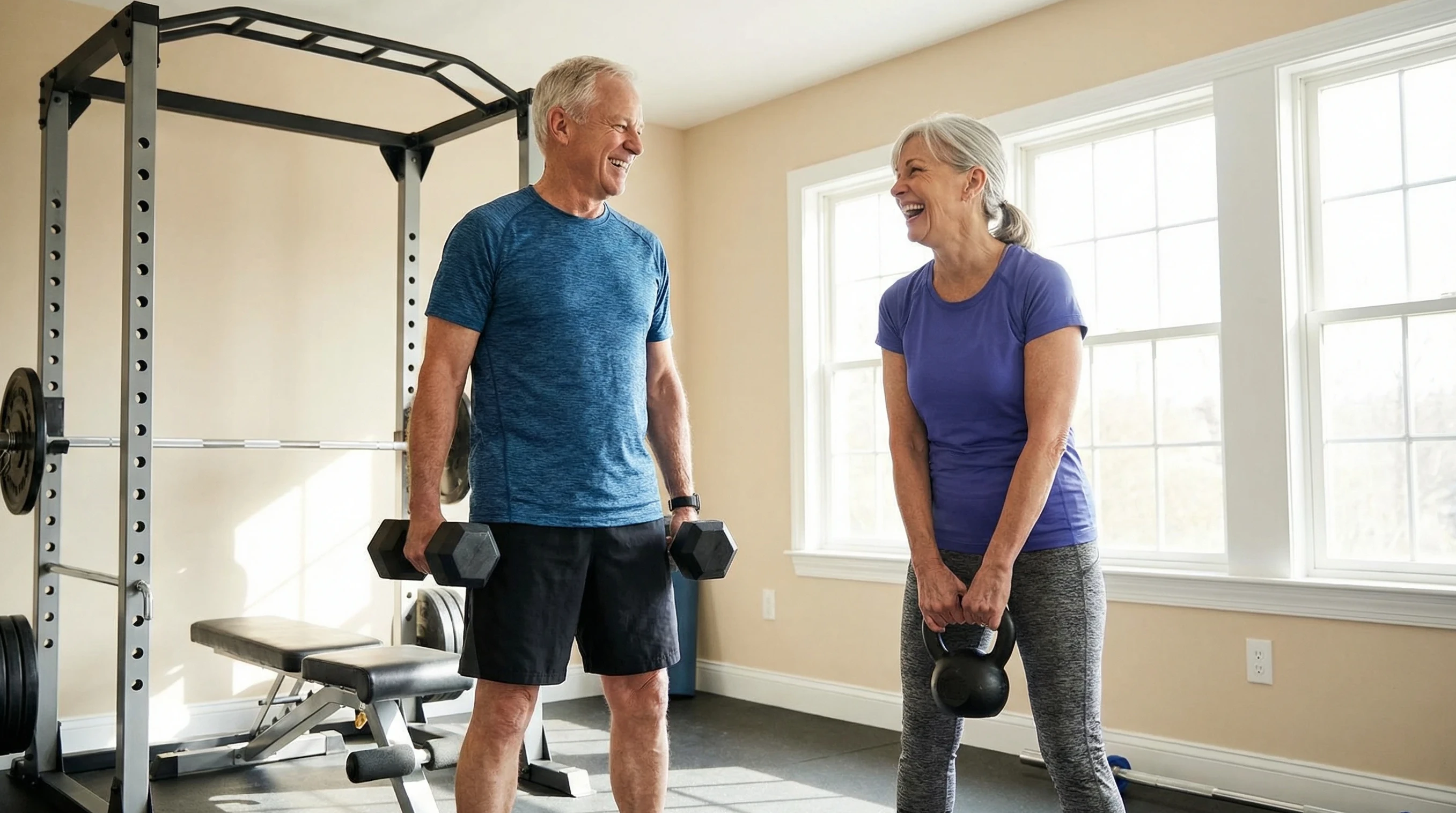
Common Questions About Weightlifting
Plenty of folks wonder about the nuts and bolts of lifting. Here are answers to the top questions that come up with beginners all the time:
Question: Is weightlifting safe for everyone?
Answer: For most, weightlifting is perfectly safe when practiced with the right form and a modest approach. Those with medical conditions should definitely ask their doctor or a certified coach before trying new routines.
Question: Will weightlifting make me bulky?
Answer: Getting seriously muscular takes a strict training plan and lots of specific eating. In reality, most people just enjoy better muscle tone, more strength, and an energy upgrade.
Question: How soon can I expect to see results?
Answer: Many notice more strength, balanced energy, and improved sleep within weeks. Visual muscle changes might take a couple months, depending on consistency, habits, and your genetics.
Weightlifting’s Impact Outside the Gym
It’s worth mentioning that lifting weights pays off well beyond your gym time. Personally, I’ve felt more alert, capable, and positive in my day-to-day—whether it’s tackling heavy yard work, wrestling a shopping cart full of groceries, or just keeping up with life’s surprises. Stress levels go down, sleep tends to improve, and that overall sense of “I can handle anything” gets stronger with each workout.
- Everyday Strength: Regular lifters say simple tasks (stairs, lifting, carrying) get way easier, while balance and coordination often step up as well.
- Accident Prevention: Stronger muscles and steadier joints mean the odds of injuries, falls, or random aches go down—the benefits stack up the older you get.
- Confidence Gets a Boost: Small wins in the gym add up to a strong sense of accomplishment and confidence that often spills over into work, relationships, and hobbies.
These outside-the-gym benefits make weightlifting stand out among all other fitness activities, as they touch nearly every area of daily living.
Wrapping Up
Bringing weightlifting into your weekly routine can spark lasting positive changes for your body, brain, and overall life—far beyond just what you see in the mirror. Stay patient, stick with it, and watch as each new lifting session brings benefits that stick over time.