
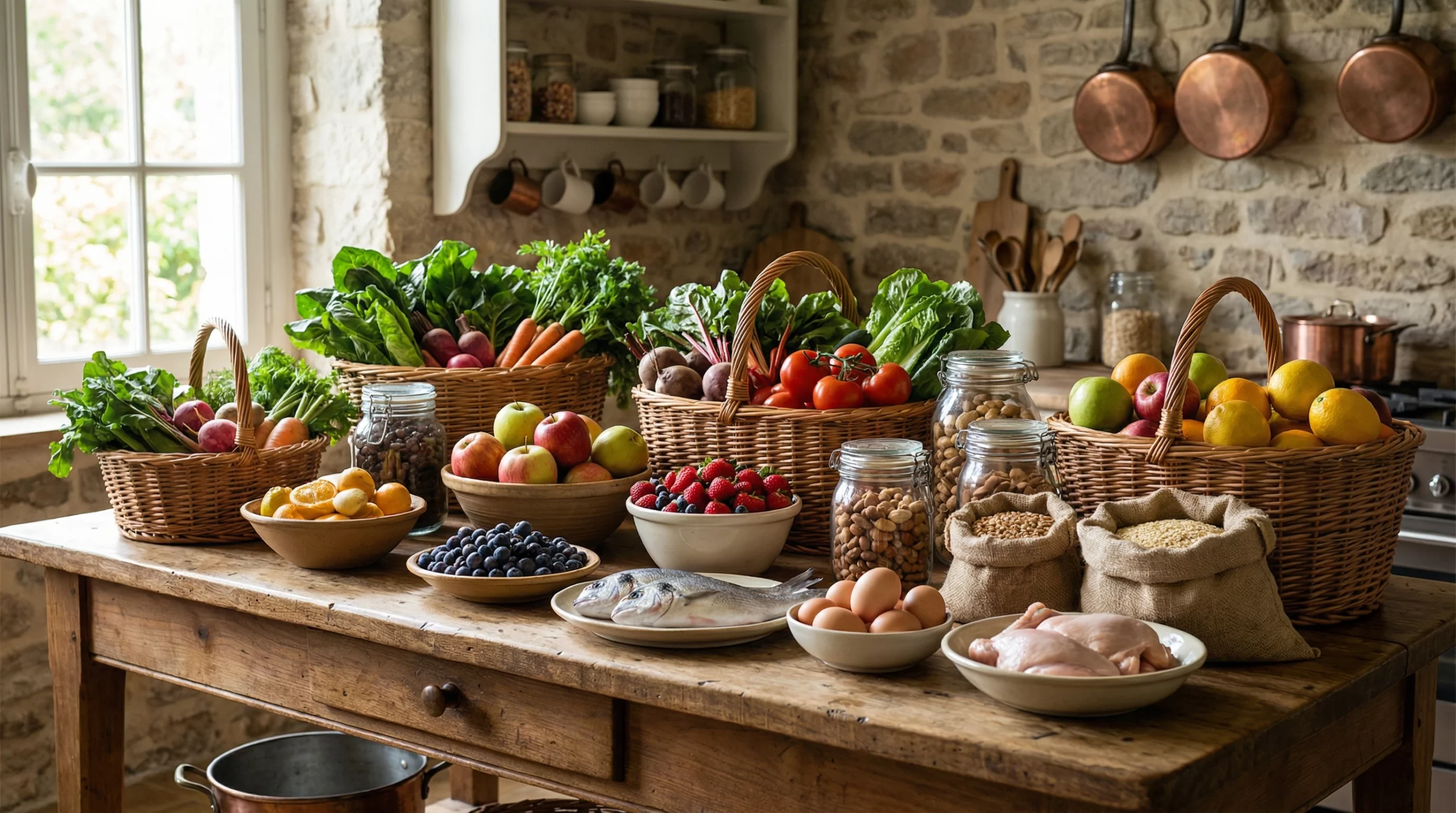
A sustainable weight loss plan is built on consistent habits, balanced nutrition, and a moderate calorie deficit that you can maintain long term. Instead of extreme dieting, the focus is on eating real food, managing hunger, and creating a routine that fits your lifestyle.
In my experience, the best results don’t come from quick fixes or cutting everything out. They come from simple changes that you can stick with week after week. Once you understand how your body responds to food, especially things like hunger and insulin levels, weight loss becomes much more manageable.
Key Principles Of Sustainable Weight Loss
Sustainable weight loss is all about consistency and developing habits that you can keep going with, even when life gets busy. Forget about rapid transformations and magic shortcuts. The best results come from gradual changes, eating real food, and understanding how your body reacts to what you eat.
The main idea is to create a calorie deficit, where you burn more calories than you take in, but without feeling deprived. That means focusing on real, whole foods, listening to your body’s hunger signals, and being smarter about meal timing. What’s super important here is learning how insulin works; when we eat, our bodies release insulin. If it spikes too high too often, it encourages our bodies to store extra energy as fat instead of burning it off.
If your meals are packed with processed sugars or you’re snacking all day, insulin can get stuck at a high level, which isn’t good. That’s when insulin resistance can sneak up, making it much harder to lose weight and raising your risk for a bunch of health problems, like type 2 diabetes and heart disease.
Getting Started With Your Weight Loss Plan
Starting out on any new routine can feel a bit overwhelming, but focusing on a few simple areas makes it much easier to get into a groove. When I worked on my own weight loss adventure, I realized that meal patterns and food quality played a much bigger role than just calorie counting. Especially once I cut back on processed snacks and started eating more “real” food, I noticed real changes.
- Stick to regular meals: Try going back to a pattern like eating three meals a day, and skip the constant munching. Limiting food to set mealtimes can help support better blood sugar balance.
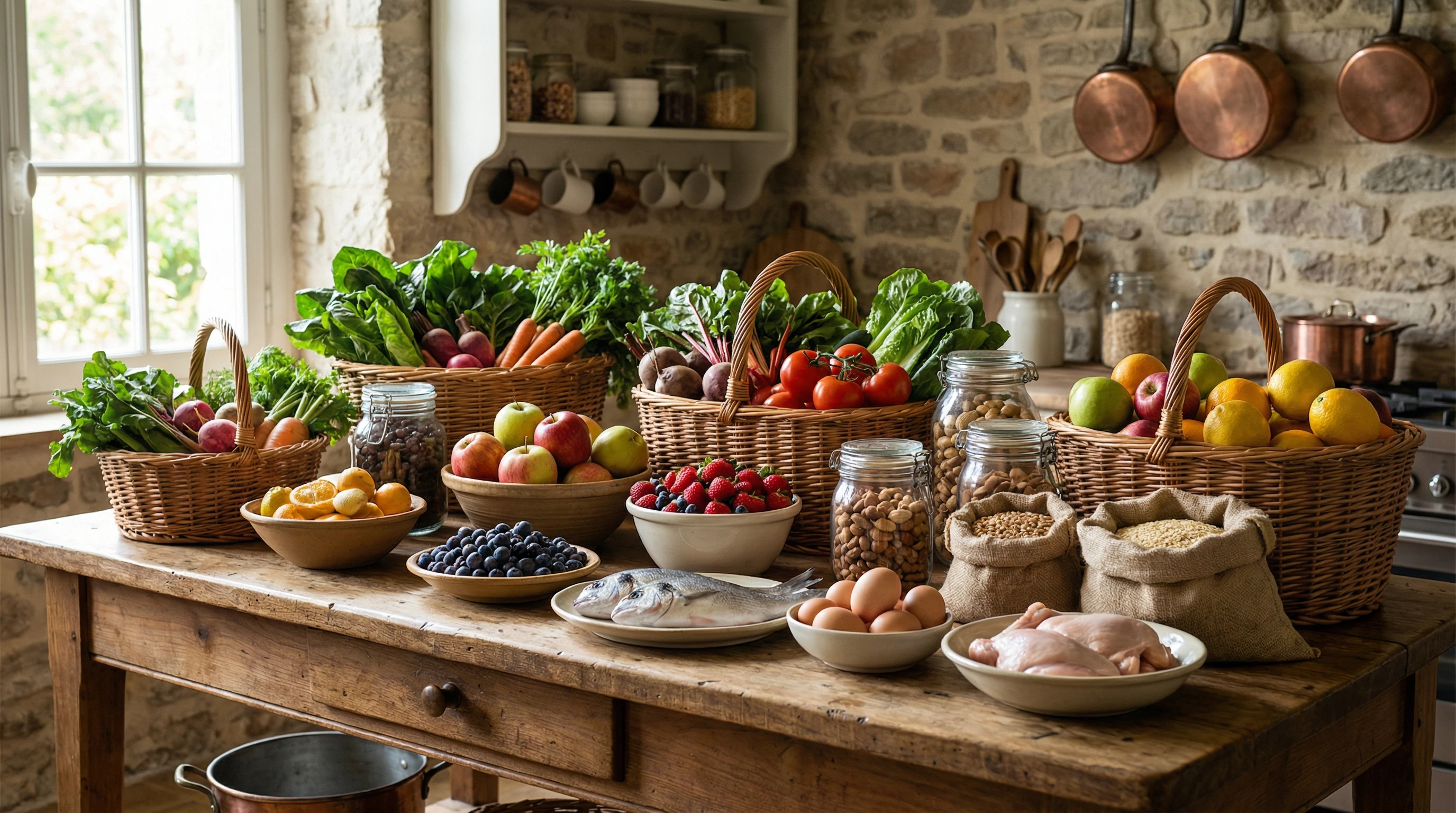
- Choose whole, minimally processed foods: Focus on things that look close to how they were grown, such as vegetables, fruits, eggs, poultry, fish, beans, nuts, and seeds. These foods crowd out the processed stuff and naturally help you feel full for longer.
- Be mindful with carbs: Cut back on refined carbs and simple sugars, since these spike insulin the most. Going for complex carbs like brown rice, quinoa, lentils, and whole oats works better for long-term results.
- Limit highcalorie, processed foods: Packaged snacks, sugary drinks, chips, and baked goods can be replaced with healthier snack options like nuts or carrot sticks if you do need a little something between meals.
Why Real Food Makes A Big Difference
Choosing real, unprocessed food isn’t just about nutrients. It’s about how your body digests and uses those nutrients. Real foods are naturally satisfying, packed with fiber and protein that help you stay full, and come without the added sugar, salt, and unhealthy fats you’ll find in most packaged products. Swapping out your usual snacks with fruit or nuts, or trading white bread for whole grain, can make a big impact without feeling restrictive.
This switch is super important, especially if you’re someone who used to eat whenever you felt like it or out of boredom. Back in the 1970s, most households ate only three meals a day and obesity was rare. There just weren’t snacks everywhere, and most people cooked at home. That structure naturally supported better balance. Reversing some of these habits is a gamechanger for sustainable weight loss in today’s world.
Meal Timing And Intermittent Fasting
There’s a lot of buzz about intermittent fasting, and for good reason. It’s not a shortcut to weight loss, but it’s a useful tool that helps lower insulin and gives your body a chance to tap into fat stores. Typical intermittent fasting patterns include things like 16:8, where you eat during an 8hour window and fast for 16, or simply avoiding latenight snacking.
I’ve seen pretty impressive results by just cutting out latenight snacks and keeping all eating within a 10 to 12hour window during the day. This approach isn’t about starving yourself; it’s about letting your body reset. When you’re not eating all the time, insulin levels fall and your body gets more efficient at burning stored fat for energy.
If you’re new to intermittent fasting, you don’t have to jump right into a 16hour fast. Start by waiting a bit longer for breakfast or moving your last meal earlier. Listen to your body and see how you feel. If you start to feel energetic and more balanced, you’re on the right track. Intermittent fasting isn’t for everyone, though. Anyone with a history of disordered eating or medical concerns should check in with their doctor before beginning.
Common Challenges And How To Deal With Them
Changing habits isn’t always smooth sailing. There are obstacles that can trip up even the most determined people. Here are a few common ones I’ve noticed, along with what actually helps:
- Cravings for processed foods: These usually show up because of habit or emotional triggers, and they’re hardest at the start. Swapping out your pantry, planning meals, and being patient with yourself can really help.
- Lack of energy: If you’re new to eating less processed sugar, your body may need a week or two to adjust. Having healthy snacks, getting enough sleep, and staying hydrated helps bridge this gap.
- Social pressure: Work parties or dinners out can make it tough. I try to pick the best options available, like lean proteins and salads, or eat a small healthy meal before heading out to avoid going in super hungry.
- Plateaus: Progress sometimes slows down after a few weeks. That’s normal. Take it as a sign to reset habits, check if you’re snacking more or if your portion sizes have crept up. Sometimes mixing in more movement, like walking or strength exercises, gives things a little boost.
Insulin Resistance And Why It Matters
If you eat the wrong foods all the time, especially foods with lots of sugar and refined flour, your body has to pump out more and more insulin. Over time, cells stop responding to the insulin signal, which is called insulin resistance. When that happens, it gets easier to store fat, harder to lose it, and risk for other problems goes up. Keeping insulin in check is one of the most important parts of long-term weight loss, which is why sticking to whole foods and steady meal times can make such a big difference.
Small Steps For Big Changes
Building habits takes time; nobody flips a switch and suddenly eats “perfectly” every day. I focus on finding healthy swaps, making batch meals so there’s always a good choice at home, and practicing a little self-compassion for slip ups. It’s the day-to-day choices added up over weeks and months that really count.
Tracking meals on paper or using a free phone app can help you spot patterns, stay accountable, and celebrate tweaks that actually work for you. Small changes, like switching soda for sparkling water or trading your afternoon cookie for fruit, add up faster than you think.
Foods To Focus On And Foods To Limit
- Focus on: Leafy greens, nonstarchy vegetables, lean protein (chicken, fish, eggs), healthy fats (olive oil, avocado, nuts), and fruit in moderation.
- Limit: Processed snacks, candy, soda, pastries, fried foods, and anything with lots of added sugar or white flour.
Eating well doesn’t have to be complicated or expensive. I like to plan out a few flexible meals for the week, so I’m never caught off guard and tempted by convenience foods. Keeping fruits and veggies washed and ready to grab from the fridge works well, too. If you’re in a rush, even simple combos like hardboiled eggs or hummus with veggies make a solid meal.
Don’t forget hydration—sometimes thirst can feel like hunger. Keeping a water bottle nearby and sipping throughout the day helps keep energy up and curbs extra snacking.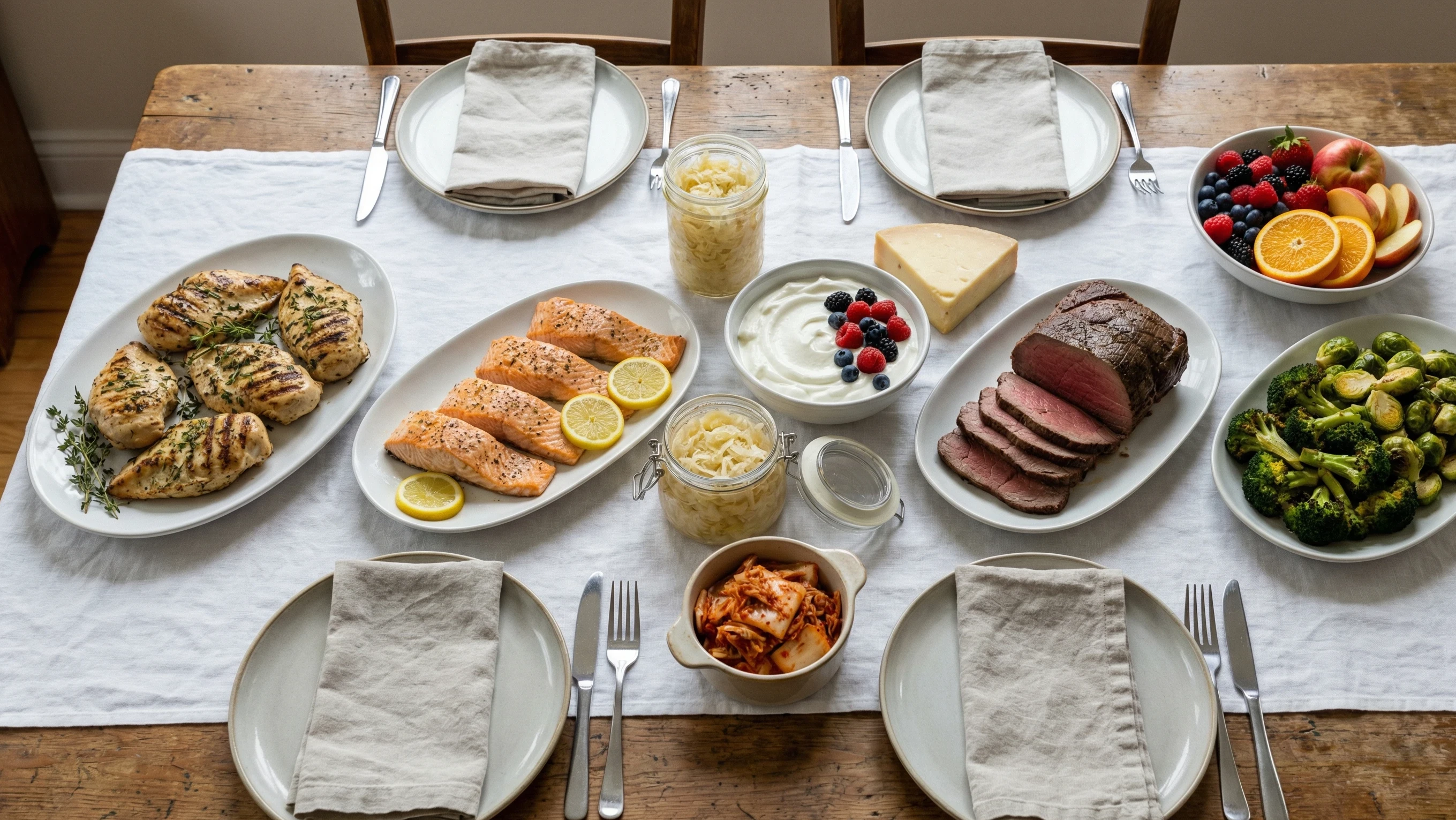
Frequently Asked Questions
Here are some questions I hear a lot from people starting out on their weight loss adventure:
Question: How quickly should I expect results?
Answer: It depends on where you’re starting, but slow and steady wins this race. Losing 1-2 pounds a week is realistic for most people. That’s a sign you’re losing fat, not just water or muscle.
Question: Do I need to cut out carbs completely?
Answer: Not at all. Swapping refined carbs for whole grains and starchy vegetables is a smart move, but you don’t have to go zero carb for weight loss to work.
Question: Is exercise required?
Answer: Moving your body definitely helps, but you don’t need a punishing workout routine to see results. Try to work in regular walking, stretch breaks, or light strength exercises, especially as your energy improves.
Question: What if I get hungry between meals?
Answer: That’s probably a sign you need more protein, fiber, or healthy fat in your meals. Try upping those at meal times; often that helps a lot.
Wrapping Up
Sustainable weight loss isn’t about being perfect or following strict rules. It’s about making your routine a little healthier, eating real food, and giving your body time and space to do what it’s meant to do—burn fuel, not store it. Careful choices and smart planning make all the difference, so take it one day at a time and celebrate the small wins along the way. Focus on progress, not perfection, and remember that each healthy choice—no matter how small—moves you closer to your goals.