
Discover the 7 powerful benefits of good gut health, including stronger immunity, better metabolism, improved mood, and reduced inflammation. Learn how to improve your gut naturally.
Your gut does far more than digest food. Your digestive system is home to trillions of bacteria, fungi, and microorganisms that influence your immune system, metabolism, mood, and even long-term aging.
When your gut microbiome is balanced and diverse, your entire body functions more efficiently. But when it’s disrupted by stress, processed foods, poor sleep, or antibiotics, it can quietly contribute to inflammation, weight gain, fatigue, and illness.
Let’s break down exactly why good gut health matters — and how you can improve it naturally.
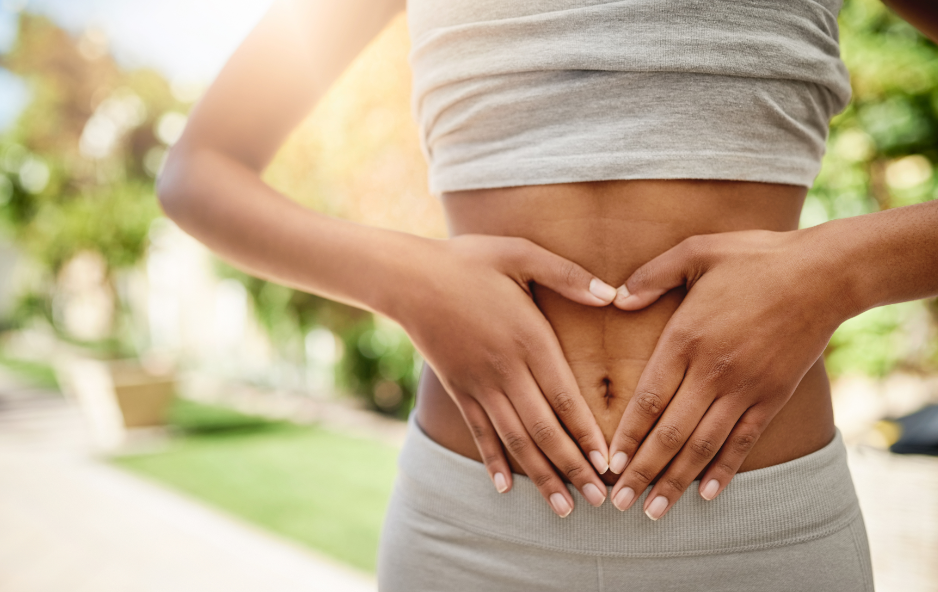
What Is Gut Health?
Gut health refers to the balance and function of microorganisms living in your digestive tract, known collectively as the gut microbiome.
These microbes:
- Help digest food
- Produce essential vitamins
- Regulate immune responses
- Influence hormones
- Communicate with the brain
A healthy gut is diverse, meaning it contains many different beneficial bacteria working together. When harmful bacteria outnumber beneficial ones, problems begin to surface.
7 Key Benefits of Good Gut Health
1. Stronger Immune System
Around 70% of your immune system is located in your gut. Beneficial bacteria help train immune cells to recognize harmful pathogens while avoiding unnecessary inflammation.
A healthy microbiome can:
- Reduce the frequency of infections
- Improve immune response
- Lower chronic inflammation
Certain probiotic strains such as those discussed in our article on
👉 https://jrhealthandfitness.com/health-benefits-of-l-reuteri/
have been studied for their immune-supportive properties.
2. Reduced Inflammation
Chronic inflammation is linked to heart disease, obesity, diabetes, and autoimmune disorders. One major contributor to systemic inflammation is poor gut barrier function.
When your gut lining is healthy, it prevents toxins and harmful bacteria from entering your bloodstream. When it becomes compromised, inflammation can increase.
Improving gut health strengthens this protective barrier and may reduce overall inflammatory load.
3. Better Digestion and Nutrient Absorption
A balanced microbiome improves:
- Fiber breakdown
- Short-chain fatty acid production
- Vitamin synthesis (B vitamins and vitamin K)
- Regular bowel movements
If you struggle with bloating, irregularity, or digestive discomfort, your gut bacteria may need attention.

4. Improved Mental Health (The Gut-Brain Axis)
Your gut and brain are directly connected through what’s known as the gut-brain axis.
A large percentage of serotonin — the “feel good” neurotransmitter — is produced in the gut.
Research suggests a healthy microbiome may help:
- Support mood balance
- Reduce anxiety symptoms
- Improve mental clarity
This is one reason why improving digestion often improves energy and focus as well.
5. Healthier Metabolism and Weight Regulation
Your gut bacteria influence how your body processes food and stores fat.
A balanced microbiome may:
- Improve insulin sensitivity
- Regulate appetite hormones
- Reduce cravings
- Support sustainable fat loss
If your goal is long-term fat loss, your gut plays a bigger role than you might think. You can read more about sustainable approaches here:
👉 https://jrhealthandfitness.com/creating-a-sustainable-weight-loss-plan/
6. Better Heart Health
Healthy gut bacteria produce compounds called short-chain fatty acids, which help regulate cholesterol levels and blood sugar.
A diverse microbiome may contribute to:
- Improved blood lipid profiles
- Lower blood pressure
- Reduced cardiovascular risk
Gut health and heart health are more connected than most people realize.
7. Healthier Skin
Skin conditions such as acne, eczema, and rosacea are increasingly linked to gut imbalances.
The gut-skin axis suggests that inflammation originating in the digestive system can manifest externally.
Supporting gut balance may help:
- Reduce inflammatory skin conditions
- Improve skin clarity
- Promote overall resilience
Signs of Poor Gut Health
If your gut microbiome is out of balance, you may notice:
- Frequent bloating
- Excess gas
- Irregular bowel movements
- Persistent fatigue
- Brain fog
- Frequent infections
- Sugar cravings
- Skin issues
These symptoms don’t always point exclusively to gut problems, but they often signal microbial imbalance.
How to Improve Your Gut Health Naturally
The good news is that your gut microbiome is adaptable. With consistent lifestyle changes, it can improve within weeks.
1. Eat More Fermented Foods
Fermented foods contain live beneficial bacteria that support microbial diversity.
Examples include:
- Yogurt
- Kefir
- Sauerkraut
- Kimchi
If you want to make your own probiotic yogurt, see:
👉 https://jrhealthandfitness.com/l-reuteri-yogurt-recipe-for-beginners/
2. Increase Fiber Intake
Fiber feeds beneficial gut bacteria. These bacteria then produce short-chain fatty acids that reduce inflammation and support metabolic health.
High-fiber foods include:
- Vegetables
- Legumes
- Oats
- Seeds
- Berries
Fiber also supports metabolic health, which becomes increasingly important as we age.
3. Reduce Ultra-Processed Foods
Highly processed foods can reduce microbial diversity and increase inflammation.
Limiting added sugars, refined oils, and artificial additives supports a healthier internal environment.
4. Manage Stress and Sleep
Chronic stress alters gut bacteria composition. Poor sleep does the same.
Supporting gut health means:
- Prioritizing 7–9 hours of sleep
- Managing stress levels
- Exercising regularly
Resistance training in particular supports overall metabolic and inflammatory health. If you’re over 50, strength becomes even more important:
👉 https://jrhealthandfitness.com/strength-training-for-over-50s/
5. Use Antibiotics Wisely
Antibiotics can be life-saving, when necessary, but overuse may disrupt gut balance.
After antibiotic use, focusing on fermented foods and fibre can help restore microbial diversity.
Gut Health and Aging

As we age, gut microbiome diversity naturally declines. This decline is associated with:
- Reduced immune resilience
- Increased inflammation
- Muscle loss
- Slower metabolism
Supporting gut health becomes even more important after 50.
Combining:
- Strength training
- Adequate protein intake
- High-fibre nutrition
- Fermented foods
can help maintain both microbial balance and overall vitality.
Frequently Asked Questions
How long does it take to improve gut health?
Many people notice improvements within 2–4 weeks of increasing fibre and fermented foods. Long-term changes may take several months as microbial diversity builds.
What foods are best for gut health?
Fermented foods, fiber-rich vegetables, legumes, berries, whole grains, and probiotic yogurt are among the most beneficial.
Can probiotics fix gut health?
Probiotics can support gut balance, but they work best alongside dietary and lifestyle changes. Diversity from whole foods remains essential.
Is yogurt good for gut health?
Yes, especially varieties containing live active cultures. Homemade probiotic yogurt may offer additional strain diversity.
Does fasting improve gut health?
Short-term fasting may support metabolic flexibility and reduce inflammation. You can learn more about this here:
👉 https://jrhealthandfitness.com/5-health-benefits-of-fasting-backed-by-science/
Why Gut Health Is the Foundation of Long-Term Wellness
Your gut influences nearly every major system in your body — from immunity and metabolism to mood and aging.
When your microbiome is balanced, you’re more likely to experience:
- Stable energy
- Strong immune defences
- Better digestion
- Improved body composition
- Greater long-term resilience
Improving gut health doesn’t require extreme diets or complicated protocols. It starts with consistent, sustainable habits that nourish your body from the inside out.
And once your gut improves, everything else tends to follow.