
Some natural gut health supplements are worth considering after 50, and prebiotic fibre has the strongest case. Berberine and apple cider vinegar have small, uncertain effects, while digestive enzymes and L-glutamine rarely help healthy adults. None of them beats food, protein and strength training.
Which Natural Gut Health Supplements Are Actually Worth Considering After 50?
Prebiotic fibre is the one most people over 50 can reasonably try, and the rest depend on your health, your medications and your expectations.
This article deliberately skips probiotics, because the best probiotic supplements for over 50s already have their own guide.
Here the focus is on the other popular natural gut health supplements, judged on what they might do for weight, blood sugar and energy.
Here is the short version before the detail:
Supplement What it might do Main catch Prebiotic fibre (psyllium, inulin, guar) Slower digestion, steadier blood sugar, lower LDL cholesterol, regularity Gas and bloating if you start too fast Berberine Modest drops in fasting blood sugar in some trials Drug interactions and stomach side effects Apple cider vinegar Small dip in blood sugar after a carb-heavy meal Tooth enamel, throat irritation, medication interactions Digestive enzymes Real help for lactose intolerance or diagnosed enzyme deficiency Little evidence for weight or blood sugar in healthy adults L-glutamine Fuel for gut cells Your body makes it, and food supplies it
Every one of these is a supplement, not a treatment, and none replaces advice from your doctor.
A supplement labelled natural can still change how your body handles medication, so a quick word with a pharmacist is worth it before you buy anything on this list.
Does Prebiotic Fibre Do More Than a Probiotic Capsule?
For metabolic health, prebiotic fibre has better supporting evidence than most capsules, because fibre does useful work even before it reaches your gut bacteria.
Soluble fibre slows the way carbohydrate is absorbed, which flattens the blood sugar rise after a meal.
It also binds some cholesterol in the gut, and psyllium husk is the most consistently studied supplement for lowering LDL cholesterol.
Fibre also makes you feel fuller, which helps if you are trying to lose weight without constant hunger.
Gut bacteria ferment many fibres into short-chain fatty acids, compounds that feed the cells lining your colon and are linked to better metabolic signalling.
A probiotic adds live microbes that often pass through without settling, while a prebiotic feeds the bacteria you already have.
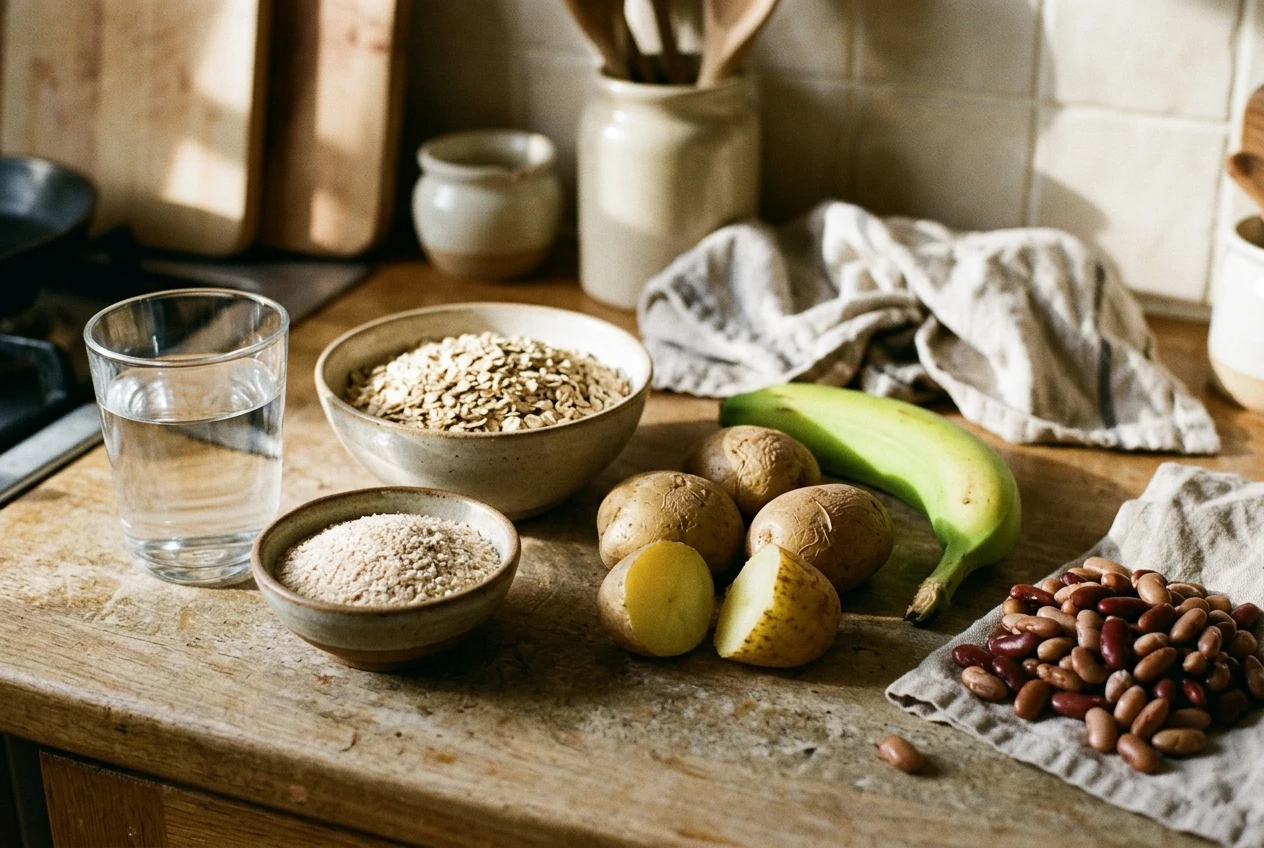
The common types are:
- Psyllium husk: the best studied for cholesterol and regularity, and it works best with plenty of water.
- Inulin and FOS: fermentable fibres that feed bacteria quickly, and the likeliest to cause gas.
- Partially hydrolysed guar gum: a gentler fibre that some people with sensitive stomachs tolerate better.
- Resistant starch: found in cooled potatoes and rice, and in green bananas, so you can eat it rather than buy it.
Start with a small dose and increase it over a few weeks, otherwise bloating will talk you out of it.
Drink plenty of water with any fibre supplement, and take your regular medications at a different time of day, because fibre can slow how some of them are absorbed.
Many adults eat less fibre than recommended guidelines suggest, so a food-first fix often beats a powder.
If your meals already include vegetables, beans, oats, fruit and whole grains, a supplement adds less.
If they do not, and you are unlikely to change that soon, a plain psyllium or guar product is the cheapest supplement here with a plausible payoff.
Are Berberine and Apple Cider Vinegar Really Metabolic Shortcuts?
Neither is a shortcut: both show small, inconsistent effects, and both carry downsides that popular wellness posts tend to skip.
Berberine
Berberine is a plant compound found in barberry and goldenseal, sold online as a “natural Ozempic” and similar claims.
That nickname is marketing, because berberine does not act like those prescription drugs and has nowhere near their evidence.
Some trials, many of them short and small, report lower fasting blood sugar and HbA1c in people with type 2 diabetes or prediabetes.
Study quality varies a lot, and results in people with normal blood sugar are far less convincing.
Berberine may work partly through the gut, but how much is still being researched.
The downsides are practical:
- It commonly causes cramps, diarrhoea, constipation or nausea.
- It can interact with prescription medicines, including diabetes drugs, where blood sugar could drop too low.
- It can interfere with how the liver processes some other drugs.
- It is not suitable in pregnancy.
If you take any prescription medicine, ask your doctor or pharmacist before trying it, because after 50 the odds are good that you do.
If your blood sugar is a concern, your doctor has treatments with better evidence, and berberine should not stand in for them.
Apple Cider Vinegar
Small studies suggest a little vinegar before or with a high-carbohydrate meal can slightly reduce the blood sugar rise afterwards.
The effect on weight is modest at best, and most of the research is short and small.
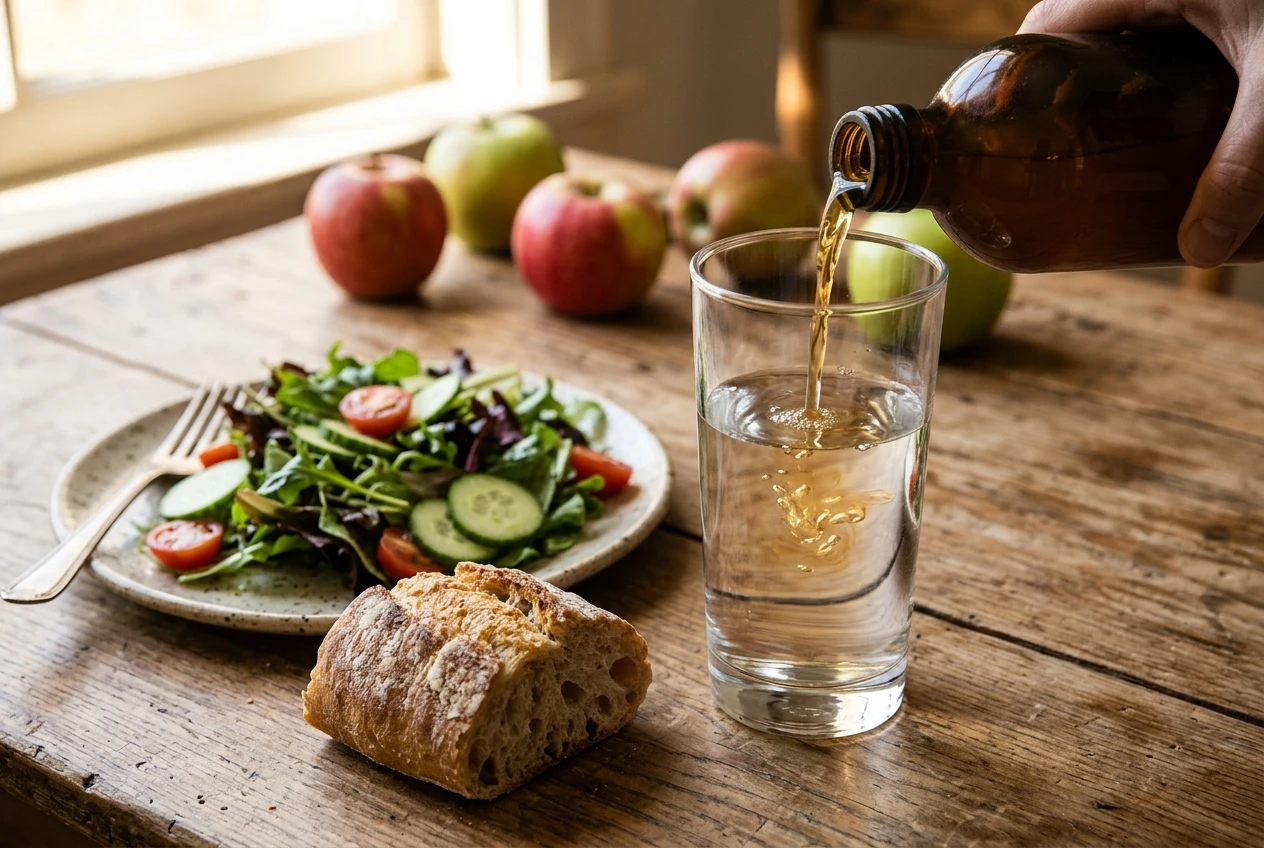
Vinegar can erode tooth enamel and irritate the throat, so dilute it in a large glass of water and do not sip it neat.
It can also interact with insulin, some diabetes drugs and diuretics.
Gummies deserve scepticism, because you cannot assume they contain the amount of acetic acid used in studies.
If you like it on a salad, enjoy it.
If you are choking it down in the hope of losing weight, the evidence does not justify the effort.
Do Digestive Enzymes and L-Glutamine Earn a Place in Your Routine?

For most healthy adults, neither one earns a place, though each has a narrow use where it genuinely helps.
Digestive Enzymes
Enzymes are the right tool for specific problems.
Lactase tablets help people who are lactose intolerant, and alpha-galactosidase can reduce gas from beans and some vegetables.
Prescription pancreatic enzymes help people with diagnosed pancreatic insufficiency.
A general over-the-counter enzyme blend marketed for “better digestion” has little evidence behind it for weight, blood sugar or energy.
Your body already makes the enzymes it needs unless a medical condition says otherwise.
After 50, persistent bloating, changes in bowel habits, unexplained weight loss or ongoing pain are reasons to see a doctor.
An enzyme capsule can mask symptoms that need investigating.
L-Glutamine
L-glutamine is an amino acid that cells lining the gut use as fuel, which is why it is popular for “leaky gut” claims.
Your body makes glutamine, and you also get it from meat, fish, eggs, dairy and beans.
Studies of glutamine supplements are mostly in hospital settings, such as people recovering from serious illness or injury.
Evidence that it improves gut lining, weight or blood sugar in healthy older adults is thin.
“Leaky gut” itself is a real research topic, but it is not an established diagnosis for the broad list of symptoms that supplement sellers attach to it.
If you eat enough protein, you are already supplying glutamine, and your money is better spent on that protein.
Where Do Probiotics Fit In Alongside Everything Else?
Probiotics fit as one optional extra, with effects that depend on the strain, not on the word “probiotic” on the label.
Different strains do different things, and research on one strain does not carry over to another.
That is why I would send you to the probiotic buying guide for the detail on what to look for.
Prebiotic fibre and probiotics work on different parts of the same system.
Probiotics supply live microbes, and prebiotics feed bacteria already living in your gut.
Fermented foods such as yoghurt with live cultures, kefir, sauerkraut and kimchi supply live microbes too, so a capsule is not the only route.
If you want to try a probiotic, treat it like any other supplement here.
Change one thing at a time, judge it against a goal, and stop paying for it if it does nothing you can notice or measure.
Spending on five gut supplements at once makes it impossible to tell which, if any, made a difference.
Can Food, Protein and Strength Training Beat the Supplement Shelf?
Yes, for weight, blood sugar and energy, food and strength training have much stronger evidence than any supplement covered above.
I have been overweight and unfit, and I have learned to diet and exercise, so I will always point you to the basics first.
Muscle is one of the main places your body stores and uses glucose after a meal.
More muscle, and training that keeps it, improves how your body handles blood sugar, and it tends to raise daily energy as well.

After 50, you lose muscle gradually unless you give it a reason to stay, and that makes strength training a metabolic health habit as well as a fitness one.
On the food side, these basics matter most:
- Eat protein at each meal, and see protein powder vs whole food if you are deciding between the two.
- Eat a range of plants each week, including beans, lentils, oats, vegetables, fruit, nuts and seeds, so you get several types of fibre.
- Include fermented foods if you enjoy them.
- Keep ultra-processed snacks and sugary drinks occasional.
Gut-friendly eating and muscle-building eating overlap heavily, which is convenient.
For the training, the approach is simple:
- Do three short, hard workouts a week on non-consecutive days, for example Monday, Wednesday and Friday.
- Follow a three-day split: legs, then shoulders and back, then chest and arms.
- Put technique before weight, and use machines or dumbbells if a barbell feels awkward.
- Keep one or two reps in reserve at first, so every set ends with something left.
- Add weight only when the last set of an exercise feels controlled.
- Give the routine a proper run before changing it.
Short workouts are easier to repeat, and repeating them is what produces results.
If you struggle to keep going, the piece on how to stay consistent with exercise after 50 covers what to do when motivation drops.
How Do You Test a Supplement Without Wasting Money or Risking Your Health?
Test one supplement at a time against a specific goal, with your doctor or pharmacist aware of what you are taking.
Here is a simple method:
- Check first. Tell your doctor or pharmacist what you plan to take, especially if you use prescription medicines or have a condition such as diabetes, kidney disease or a digestive disorder.
- Pick one goal. For example, steadier energy after lunch, regular bowel movements, or a lower fasting glucose reading.
- Record a baseline. Note your starting waist measurement, energy, digestion and, if your doctor arranges them, numbers like fasting glucose, HbA1c and cholesterol. The article on metabolic health markers after 50 explains which numbers matter.
- Start low. Begin with a small dose, especially with fibre, and build up slowly.
- Change nothing else. If you start a supplement, a new diet and a new workout in the same week, you will not know which one did what.
- Give it a fair run. Allow at least several weeks before judging, because changes in blood sugar or cholesterol are slow.
- Stop if it causes problems. Persistent stomach pain, dizziness, rashes or anything that worries you is a reason to stop and call your doctor.
Check the label for third-party testing from a body such as USP, NSF or Informed Choice, because supplements are less tightly regulated than medicines.
Avoid products that promise to melt fat, cure leaky gut or replace medication.
Set a monthly budget and stick to it.
A realistic result from the best of these supplements is a small, helpful nudge, while strength training and eating well change the underlying picture.
Read next: How To Build Muscle After 50: The 3-Day, 30-Minute Plan, the worked example of three short, hard workouts a week that support gut and metabolic health far more than any capsule.